
laminated float glass
Understanding Gauge Pin Class A Comprehensive Overview In the world of manufacturing and precision engineering, the importance of accurate measurements cannot be overstated. One crucial tool that assists in achieving these precise measurements is the gauge pin. Specifically, the gauge pin class is a concept that plays a significant role in ensuring the effectiveness and reliability of these measuring instruments. What is a Gauge Pin? A gauge pin is a precision tool used for measuring the size of holes, checking the alignment of parts, and verifying dimensions within manufacturing processes. They come in various diameters and are typically made from hardened steel or carbide to withstand wear and tear, ensuring longevity and accuracy. The use of gauge pins is critical in quality control and assurance functions, where they are utilized to test the conformity of manufactured components. The Significance of Gauge Pin Class Gauge pins are categorized into classes based on their tolerances and applications, which is what we refer to as the gauge pin class. This classification system helps manufacturers select the appropriate gauge pin for a specific measurement task, ensuring that the tools align with the necessary precision requirements. 1. Tolerance Levels Different classes of gauge pins have specific tolerance levels that dictate how much deviation from the nominal size is permissible. The tighter the tolerance, the more precise the gauge pin must be, which is particularly important in industries such as aerospace, automotive, and medical device manufacturing, where precision is paramount. 2. Applications Each gauge pin class has its designated applications . For instance, a higher class pin may be used in tasks that necessitate tighter tolerances, while a lower class might suffice for less critical applications. Understanding the appropriate gauge pin class ensures that engineers and technicians use the right tool for the job, minimizing the risk of errors. Choosing the Right Gauge Pin Class gauge pin class When selecting a gauge pin, several factors must be considered - Measurement Requirements Determine the degree of precision required for the specific application. If the tolerances are strict, a high-precision gauge pin is essential. - Material Compatibility The material of the gauge pin must be compatible with the components being measured to prevent wear or damage. For high-volume production, using more durable materials can reduce replacement costs in the long run. - Environmental Considerations Gauge pins used in harsh environments must be able to withstand potential corrosive elements. In such cases, the material and coating of the pins become critical to prolong their life and maintain measurement integrity. Maintenance of Gauge Pins To ensure that gauge pins retain their accuracy over time, maintenance practices must be implemented. This includes - Regular Calibration Gauge pins should undergo periodic calibration to confirm their precision. This can be done using master gauges that provide a reference standard for measurement. - Cleaning and Inspection After use, gauge pins should be cleaned to remove any debris or contaminants. Regular inspections for wear, chips, or deformation are necessary to identify any issues that could impact measurement accuracy. - Proper Storage Gauge pins should be stored in protective cases to prevent damage. Keeping them away from humidity and extreme temperatures can also help maintain their precision. Conclusion In the realm of precision measurement, gauge pins serve as indispensable tools that ensure product quality and compliance with stringent engineering standards. Understanding gauge pin class, its significance, and how to choose and maintain these tools can significantly enhance measurement accuracy and reliability in manufacturing processes. As industries continue to evolve and the demand for precision increases, the proper application of gauge pin classes will remain a vital aspect of engineering and quality assurance.
about
laminated float glass
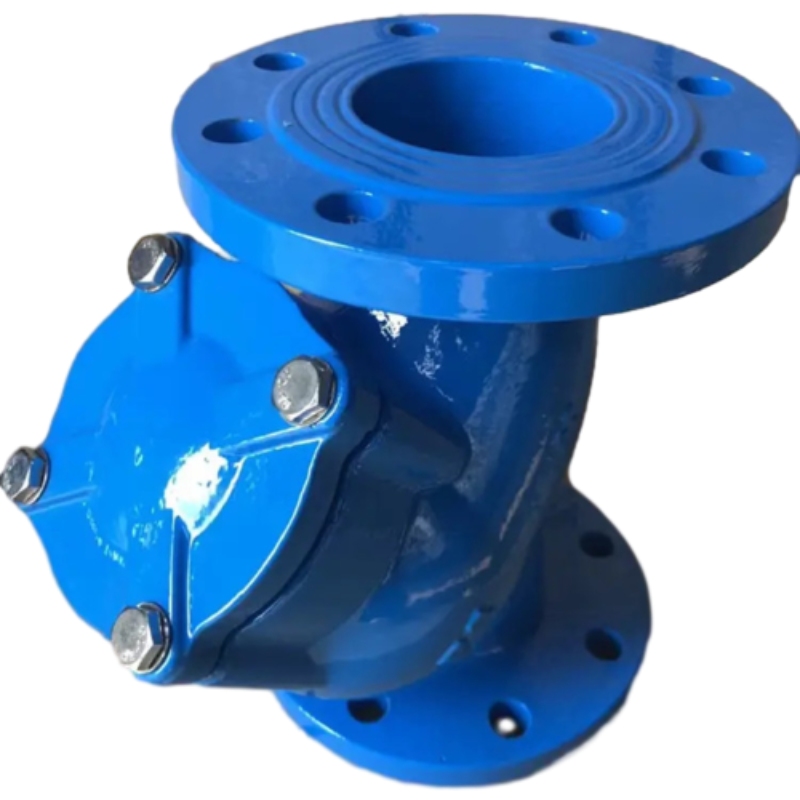
In the intricate world of industrial fluid management, a secure seal is non-negotiable for the smooth and safe operation of systems. The strainer flanged connection emerges as a cornerstone in achieving this reliability, especially when it comes to y type strainer products. Storaen (Cangzhou) International Trading Co., a trusted name in the industry, takes pride in offering strainer solutions with flanged connections that are engineered to provide unwavering sealing performance. Our products combine robust design, high-quality materials, and advanced manufacturing techniques to meet the diverse and demanding needs of various industrial applications. Storaen (Cangzhou) International Trading Co.’s Expertise in Strainer Flanged Products Storaen (Cangzhou) International Trading Co., based in Botou, China, has established a strong reputation for manufacturing and supplying top-notch industrial products, including strainers with strainer flanged connections. Our team of skilled engineers and technicians leverages years of experience and in-depth knowledge to design and produce strainers that excel in performance and durability. We understand the critical role that a secure seal plays in industrial systems, and our y type strainer and metal strainer products with flanged connections are meticulously crafted to ensure leak-free operation, even in the most challenging conditions. Type: Ductile Iron Y Strainer Port Size: DN150 Material: QT450 Media: Water Work Temperature: -5°c ~ 85°c High Light: Cast Iron flanged y type strainer DN150 flanged y type strainer PN10 Y Strainer Valves The Design and Function of Strainer Flanged in Y Type Strainer The strainer flanged connection in our y type strainer products is a testament to thoughtful engineering. The Y-shaped structure of the strainer, combined with the flanged design, creates a seamless integration with pipeline systems. The flanges on the y type strainer are precisely machined to provide a perfect fit, ensuring that when bolted together, they form a tight seal that prevents any fluid leakage. This secure connection not only safeguards the integrity of the filtration process but also allows for easy installation and maintenance, making our y type strainer with strainer flanged a practical choice for a wide range of industrial applications. Key Features of Metal Strainer with Strainer Flanged Connection Our metal strainer products with strainer flanged connections offer numerous features that enhance their superior performance. Constructed from high-grade metals, these strainers are robust, durable, and resistant to corrosion and wear. The flanged connections are designed to withstand high pressures and extreme temperatures, maintaining sealing integrity across various operating conditions. Additionally, the strainer flanged design enables quick and easy alignment during installation, reducing the time and effort needed to set up the strainer within a system. This combination of features makes our metal strainer with strainer flanged an ideal choice for industries where reliability and efficiency are critical. Applications of Strainer Flanged in Diverse Industries The strainer flanged connection finds extensive use across multiple industries. In the oil and gas sector, where the transportation of high-pressure fluids is common, our strainers with flanged connections ensure that there are no leaks, protecting both the environment and the integrity of the production process. In the chemical industry, where corrosive substances are handled, the secure seal provided by the strainer flanged in our metal strainer products prevents any hazardous spills. Similarly, in water treatment plants, power generation facilities, and manufacturing industries, our strainers with flanged connections play a crucial role in maintaining the efficiency and safety of fluid management systems. Strainer Flanged FAQS How does the strainer flanged connection prevent leaks? The strainer flanged connection prevents leaks through a combination of precise design and high-quality components. The flanges on our y type strainer and metal strainer products are machined to exacting standards, ensuring a snug fit when bolted together. Gaskets are placed between the flanges, which, when compressed, create a tight barrier that blocks any potential paths for fluid to escape. This meticulous construction and assembly process guarantee a secure seal that can withstand the pressures and conditions of various industrial applications. Can the strainer flanged be used in high-temperature environments? Yes, our strainer flanged products are designed to perform reliably in high-temperature environments. The materials used in the construction of the flanges and the strainers themselves are carefully selected for their heat resistance. These materials can withstand elevated temperatures without warping, deforming, or losing their sealing properties. Whether it’s in power generation plants where steam at high temperatures is prevalent or in industrial furnaces, our y type strainer connections will maintain a secure seal and ensure the smooth operation of the system. What maintenance is required for strainer flanged connections? Maintenance of strainer flanged connections is relatively straightforward. Regular inspections should be carried out to check for any signs of wear, corrosion, or looseness in the bolts. Gaskets may need to be replaced periodically, especially if they show signs of deterioration or if the system has been exposed to harsh conditions. Additionally, cleaning the flanges and ensuring that they are free from debris before reassembly is important to maintain a proper seal. With proper maintenance, our strainer flanged products, including y type strainer , will continue to provide reliable sealing performance over an extended period. Are there different sizes available for strainer flanged products? Yes, Storaen (Cangzhou) International Trading Co. offers a wide range of sizes for our strainer flanged products. Whether you need a small y type strainer with a flanged connection for a residential plumbing application or a large metal strainer with flanged connections for an industrial pipeline system, we have options to meet your requirements. Our diverse size offerings ensure that our strainers can be integrated seamlessly into various fluid management systems, providing the right balance of performance and compatibility. How do I choose the right strainer flanged product for my system? Choosing the right strainer flanged product for your system depends on several factors. Consider the type of fluid being handled, as this will determine the material requirements of the strainer and the flanges to ensure compatibility and prevent corrosion. The operating pressure and temperature of the system are also crucial, as they will dictate the strength and heat resistance needed. Additionally, the size of the pipeline and the required filtration capacity will influence your choice. At Storaen (Cangzhou) International Trading Co., our experts are available to guide you through this selection process, helping you find the perfect y type strainer connection for your specific system needs.
-

High quality industrial productsagement

High quality industrial products
View Details -

Meet the diverse needs of customers

Meet the diverse needs of customers
View Details -

Strict quality control

Strict quality control
View Details -

Top raw materials

Top raw materials
View Details -

Trusted supplier

Trusted supplier
View Details
Our application

news and information
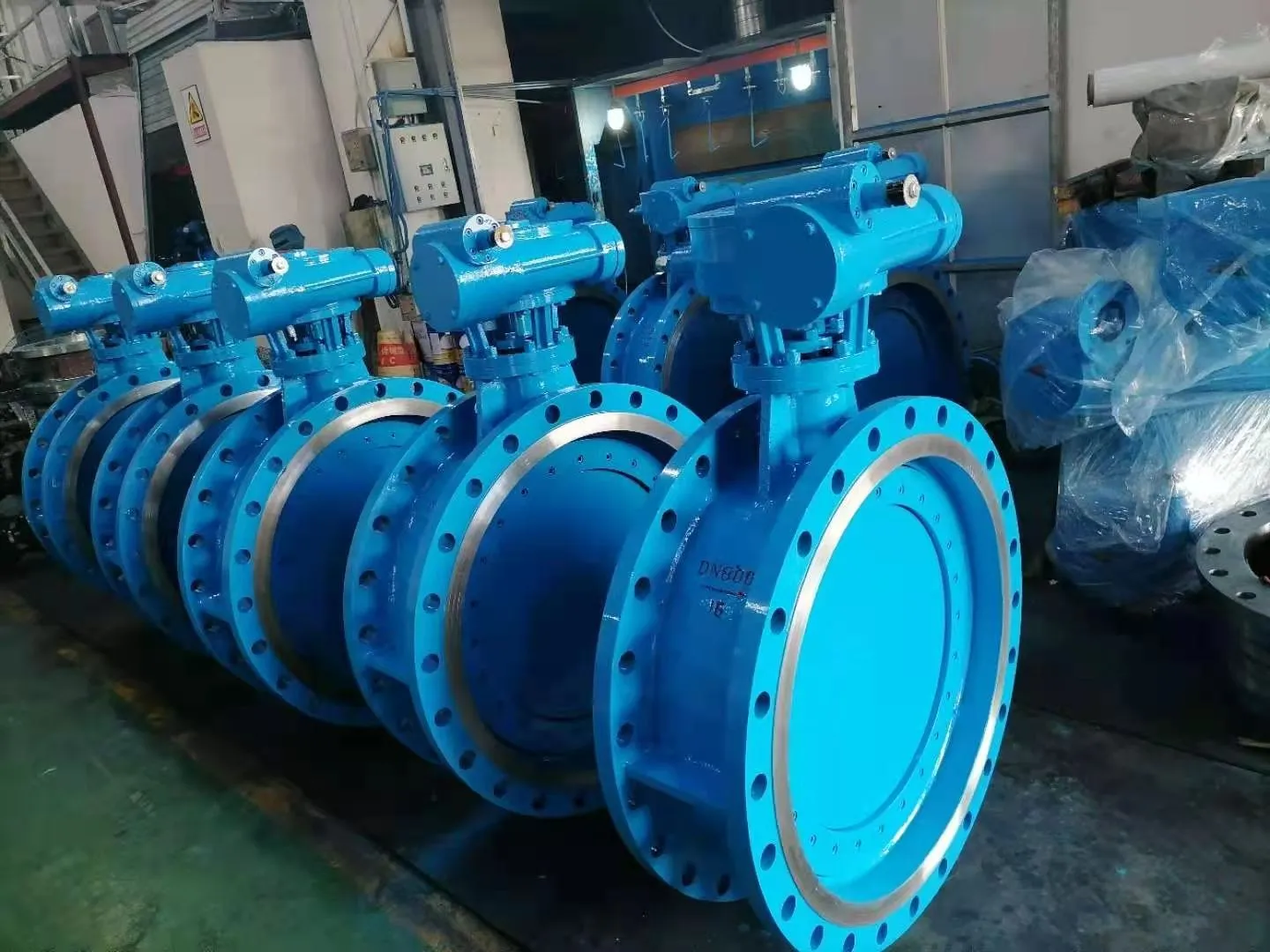
Wooden Villa House Truss Repair Using Nail Plates for Enhanced Structural Integrity
Understanding Truss Mending Nail Plates for Wooden Villas In the construction of wooden villas, stru
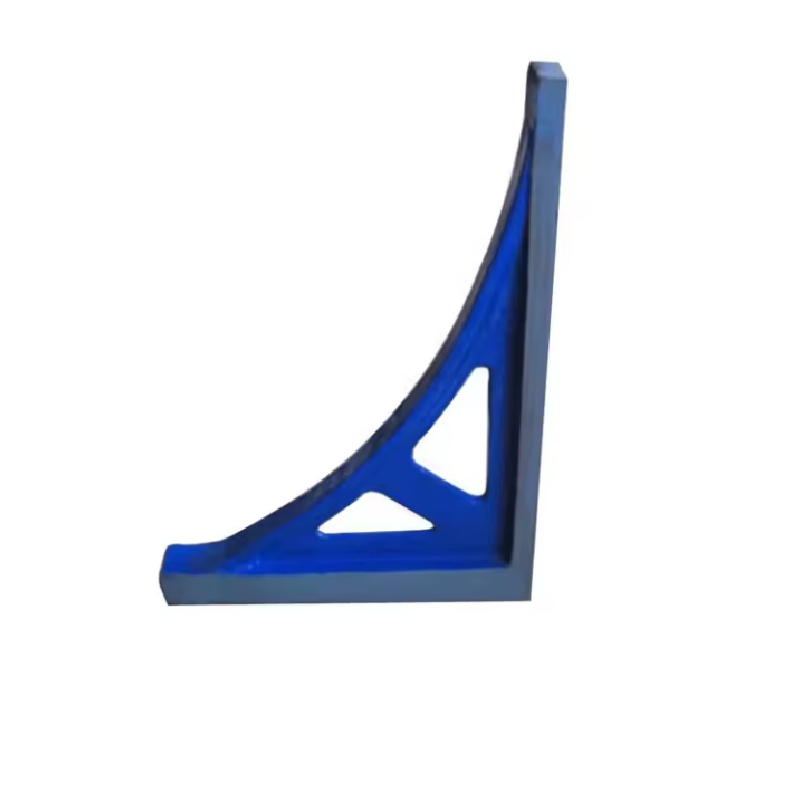
Welding and Fabrication Tables Available for Purchase Online
welding fab table for sale .
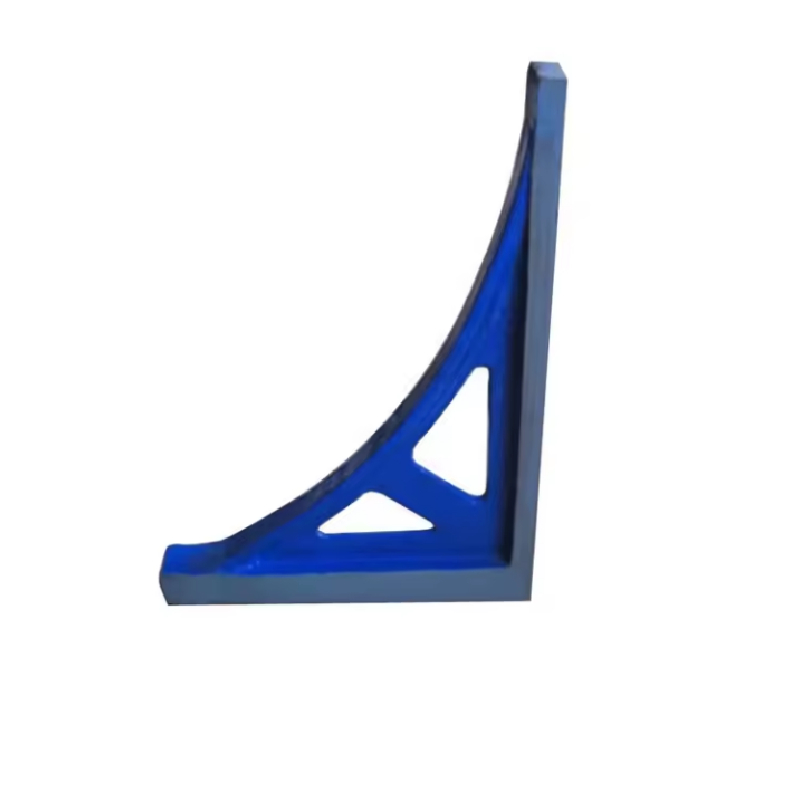
Venta horizontal
Título La Venta de Niveles Una Oportunidad Única En el mundo actual, donde la competencia es feroz y
 English